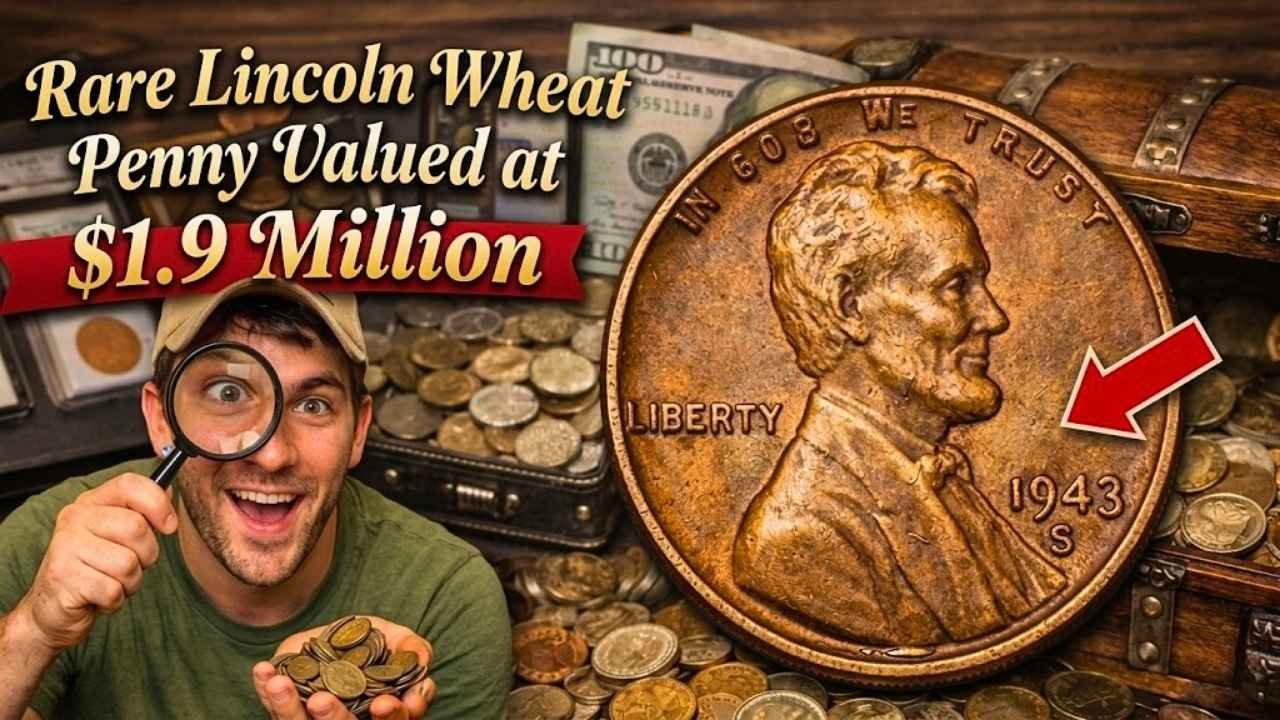
Coin collecting is a world filled with surprises, and few stories capture the imagination quite like the tale of the Lincoln Wheat Penny valued at $1.9 million. This small copper coin, once worth just a cent, has become a symbol of rarity, history, and collector passion. In this guide, we explore the origins of the Lincoln Wheat Penny, what makes certain examples so valuable, and how collectors can identify these treasures.
The History of the Lincoln Wheat Penny
The Lincoln Wheat Penny was first introduced in 1909 to honor the centennial of Abraham Lincoln’s birth. Designed by Victor David Brenner, it was the first U.S. coin to feature a real person rather than a symbolic figure. The reverse design included two wheat stalks, giving the coin its popular nickname. Produced until 1958, the Wheat Penny remains one of the most beloved coins among collectors.
Why Some Wheat Pennies Are Worth Millions
Most Wheat Pennies are common and worth only a few cents, but certain varieties stand out due to rarity, minting errors, or historical circumstances. The $1.9 million valuation is tied to a combination of factors:
- Extremely limited mintage or survival rate
- Unique minting errors that make the coin one of a kind
- Exceptional condition and grading by professional services
- Intense demand from collectors and investors
When these elements align, values can skyrocket far beyond expectations.
The Famous 1943 Copper Wheat Penny
One of the most legendary Wheat Pennies is the 1943 copper issue. During World War II, pennies were supposed to be made of steel to conserve copper for the war effort. However, a few copper planchets were mistakenly used, creating one of the rarest coins in U.S. history. High‑grade examples of this coin have sold for millions, making it a centerpiece in numismatic lore.
Other Rare Wheat Penny Varieties
While the 1943 copper penny is the star, other Wheat Pennies also command impressive values:
- 1909-S VDB Penny: The first year of issue, with the designer’s initials prominently displayed, is highly collectible.
- 1914-D Penny: Low mintage from the Denver Mint makes this coin rare and valuable.
- 1922 No D Penny: A variety struck without a visible mintmark, creating a unique rarity.
- 1955 Doubled Die Penny: Famous for its dramatic doubling on the date and lettering, this coin is a favorite among error collectors.
Each of these varieties adds depth to the Wheat Penny’s legacy.
Identifying a Rare Wheat Penny
Collectors must learn how to spot valuable Wheat Pennies. Key identification steps include:

- Checking the date and mintmark carefully
- Looking for unusual features such as doubling or missing marks
- Weighing and measuring the coin to confirm authenticity
- Consulting professional grading services for certification
Knowledge and attention to detail are essential to avoid counterfeits and misidentifications.
The Role of Coin Grading
Grading plays a crucial role in determining value. Coins are evaluated based on strike quality, luster, and preservation. A rare Wheat Penny in circulated condition may be worth thousands, but in mint state or prooflike condition, its value can soar into the millions. Certification from agencies such as PCGS or NGC provides assurance to buyers and sellers alike.
Collectors’ Market in 2026
The coin market in 2026 remains strong, with rare coins continuing to attract global interest. Economic uncertainty has led many investors to seek tangible assets, and rare coins are seen as both historical artifacts and financial hedges. The $1.9 million Wheat Penny exemplifies this trend, as collectors compete fiercely to own a piece of numismatic history.
Tips for Collectors
For those inspired by the story of the Wheat Penny, here are practical tips:

- Buy only from reputable dealers or auction houses
- Seek coins with professional certification to ensure authenticity
- Preserve coins properly, avoiding cleaning or damage
- Stay informed about market trends and upcoming auctions
- Study mint records and coin guides to understand rarity
Patience and knowledge are the keys to building a valuable collection.
The Cultural Significance of the Wheat Penny
Beyond its monetary value, the Wheat Penny holds cultural importance. It represents a tribute to Abraham Lincoln, a symbol of American resilience, and a reminder of the nation’s history. For collectors, owning a rare Wheat Penny is not just about wealth but about preserving a piece of heritage.
Key Highlights
- The Lincoln Wheat Penny was introduced in 1909 and produced until 1958.
- Rare varieties like the 1943 copper penny have sold for millions.
- Other valuable issues include the 1909-S VDB, 1914-D, 1922 No D, and 1955 doubled die.
- Identification requires careful attention to date, mintmark, and unusual features.
- Grading and certification are essential for determining true value.
- In 2026, rare coins remain both cultural treasures and investment opportunities.
Final Words
The $1.9 million Lincoln Wheat Penny is more than just a coin; it is a collector’s dream and a symbol of numismatic history. Its story reminds us that even the smallest denomination can hold immense value when rarity, history, and passion converge. For collectors in 2026, the pursuit of rare Wheat Pennies continues to inspire, offering both excitement and a tangible connection to America’s past. Whether you are a seasoned numismatist or a curious beginner, the journey into rare coins promises discovery, learning, and perhaps even the thrill of finding a treasure worth millions.
