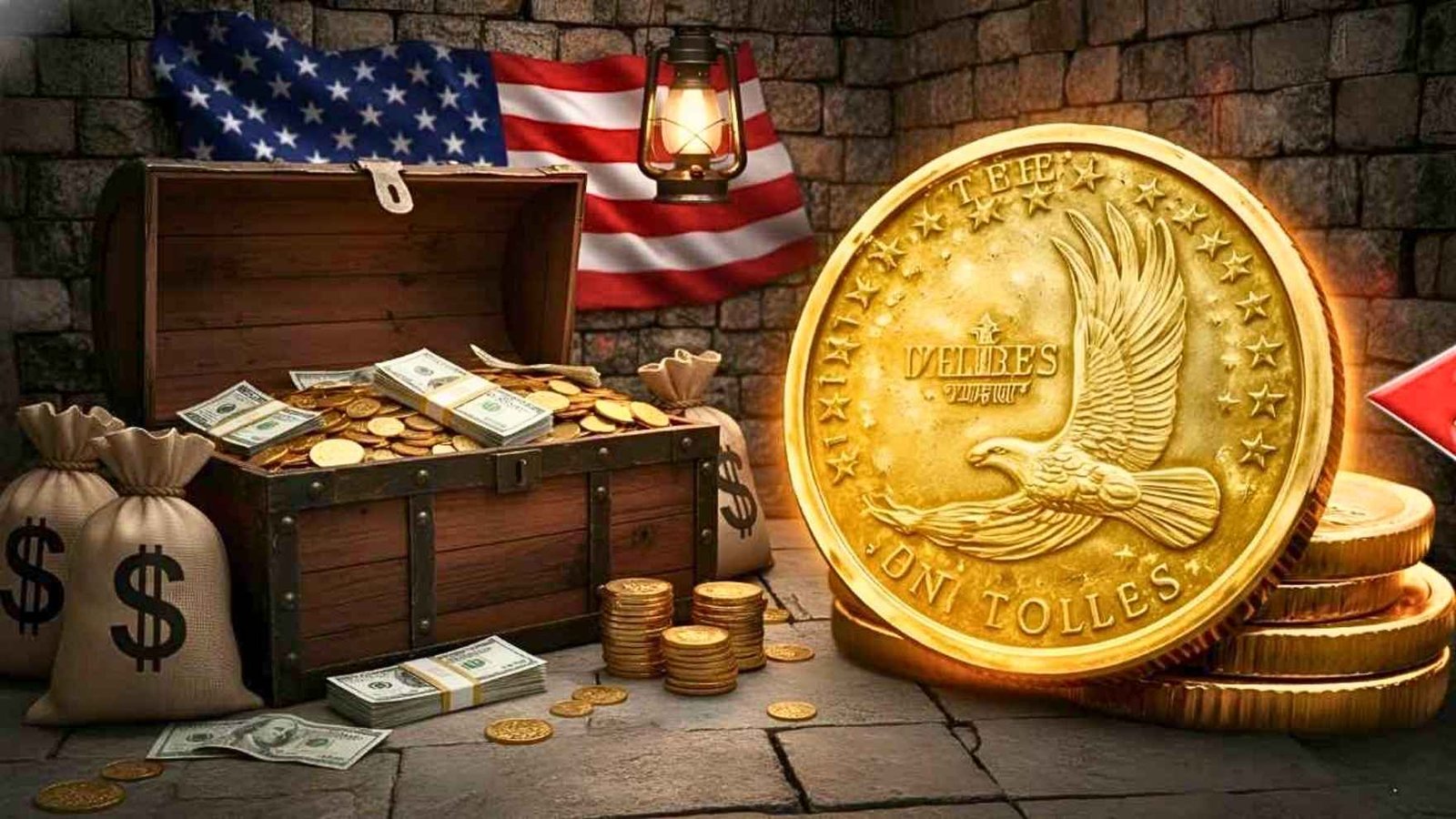
The Sacagawea dollar, first released in 2000, was designed to honor Sacagawea, the Shoshone woman who played a vital role in guiding the Lewis and Clark expedition. While most Sacagawea dollars are worth only their face value, certain rare issues and error coins have become highly valuable, sometimes selling for thousands of dollars. In 2026, collectors continue to search for these elusive pieces, making them one of the most intriguing modern coin series in U.S. numismatics.
The Story Behind the Sacagawea Dollar
The coin was introduced to replace the Susan B. Anthony dollar and featured a golden color with a smooth edge. Glenna Goodacre designed the obverse, depicting Sacagawea carrying her infant son, Jean Baptiste. The reverse originally showed a soaring eagle, symbolizing freedom and strength. Over time, the reverse design changed annually to highlight Native American contributions to U.S. history.
Rare and Valuable Sacagawea Dollars
While most coins in circulation are common, a few stand out for their rarity and value:
- 2000 Cheerios Dollar: Distributed in cereal boxes as part of a promotion, these coins feature a prototype reverse design with enhanced eagle tail feathers. They can be worth several thousand dollars.
- 2000‑P Mule Error: One of the most famous modern errors, this coin was struck with a Washington quarter obverse and a Sacagawea dollar reverse. Only a few dozen are known, and they can sell for tens of thousands.
- 2007‑D Sacagawea Dollar with Presidential Dollar Edge Lettering: A rare minting mistake where the coin received edge lettering intended for Presidential dollars. These errors are highly collectible.
- Proof and Special Issues: Certain proof coins and special mint sets, especially those with low mintage, can command premium prices.
Value Trends in 2026
The market for rare Sacagawea dollars remains strong. Cheerios dollars often sell for $5,000 or more depending on condition. Mule errors can exceed $50,000 at auction. Even minor errors or unusual varieties can bring hundreds of dollars. Common circulation strikes, however, remain at face value, making them accessible for everyday collectors.
Collecting Strategies
Collectors approach Sacagawea dollars in different ways:
- Error Hunting: Searching rolls and bags for unusual varieties or minting mistakes.
- Proof Sets: Acquiring proof issues directly from the U.S. Mint.
- Complete Series: Building a full collection from 2000 to present, including all reverse designs.
- Investment Focus: Targeting rare issues like the Cheerios dollar or mule errors for long‑term appreciation.
Historical and Cultural Significance
The Sacagawea dollar is more than a collectible; it represents recognition of Native American heritage and contributions to U.S. history. Each annual reverse design tells a story, from agriculture and trade to military service and cultural achievements. Collectors value not only the rarity but also the meaning behind these coins.
Investment Potential
In 2026, rare Sacagawea dollars continue to attract strong interest from investors. Their limited supply and growing demand ensure that values remain high. While common coins may not appreciate significantly, rare varieties are considered safe investments in the numismatic market.
Key Highlights
- Introduced in 2000 to honor Sacagawea and Native American heritage.
- Rare issues include the 2000 Cheerios dollar, 2000‑P mule error, and edge lettering mistakes.
- Cheerios dollars can sell for thousands, mule errors for tens of thousands.
- Collectors pursue complete sets, proof coins, and error varieties.
- Sacagawea dollars hold cultural significance and strong investment potential in 2026.
Final Words
The Sacagawea dollar remains one of the most fascinating modern coin series. While most examples are common, rare issues have achieved legendary status among collectors. For those who appreciate history, culture, and the thrill of discovery, Sacagawea dollars offer a rewarding journey. In 2026, they continue to shine as both a tribute to Native American heritage and a valuable addition to any coin collection.